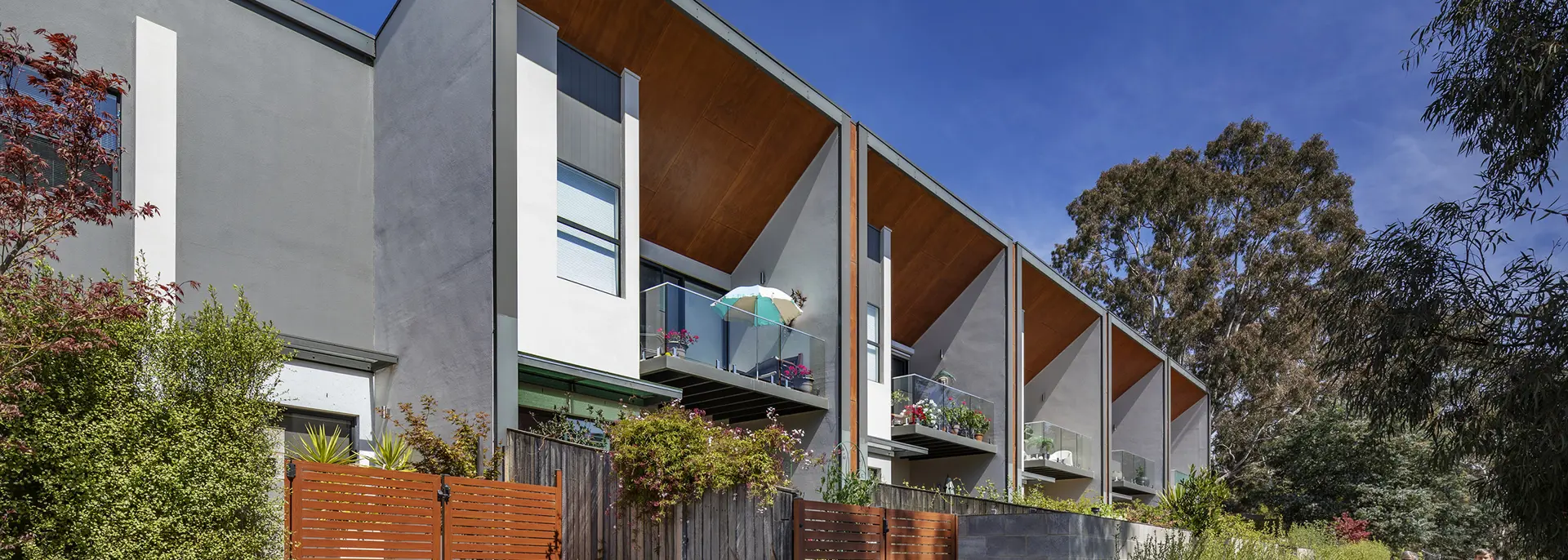
ACT Missing Middle Housing Design Guide
Client:
ACT Government
Capabilities:
Responding to needs and reform
Australia’s housing affordability crisis is being driven by a range of economic factors, creating pressure to deliver more homes across the country. In response, governments have set ambitious housing targets, including the ACT’s goal of delivering 30,000 new homes by 2030. The planning system plays an important role in meeting this demand by enabling new housing while protecting the character and liveability of the city. Under the ACT Planning Strategy 2018, 70% of new housing growth is planned within existing urban areas, with District Strategies identifying the key locations for growth.
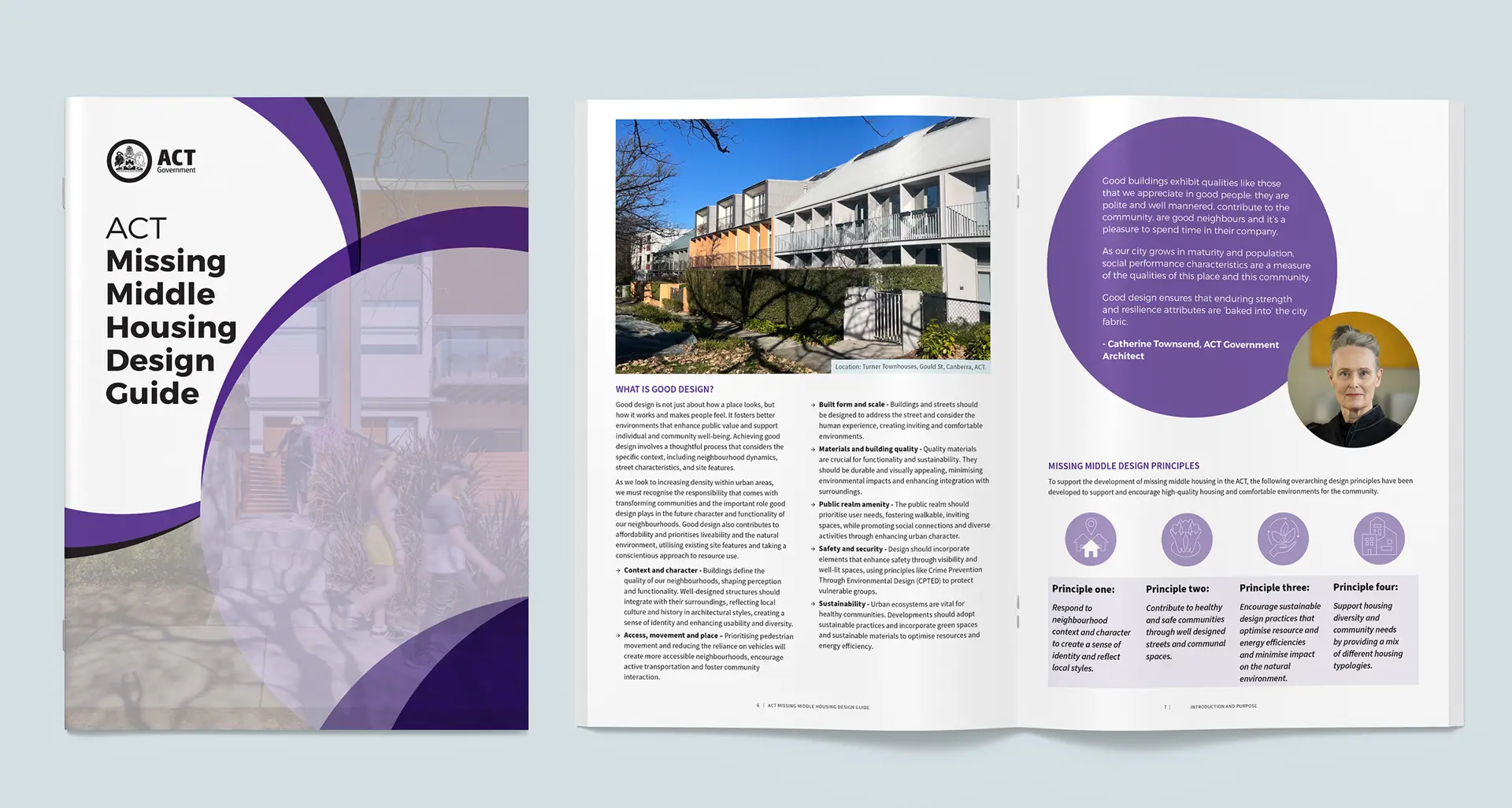
We partnered with the ACT Government’s City and Environment Directorate team to prepare the Missing Middle Housing Design Guide as part of a broader suite of guidelines to support the new ACT Planning System. The guide responds to a growing need for greater housing diversity in Canberra, particularly medium‑density housing that can support population growth while maintaining neighbourhood liveability. It also supports the ACT Government’s broader reform agenda to improve planning outcomes for development, the environment and the community.
Reframing housing design
The Missing Middle Housing Design Guide is intentionally design‑led and place‑based. Rather than relying on prescriptive numerical controls, it provides clear qualitative guidance focused on built form, streetscape quality, amenity and integration with existing neighbourhoods. This approach aims to improve design literacy across the planning system, support better design conversations early in the process and encourage more thoughtful responses to local context.
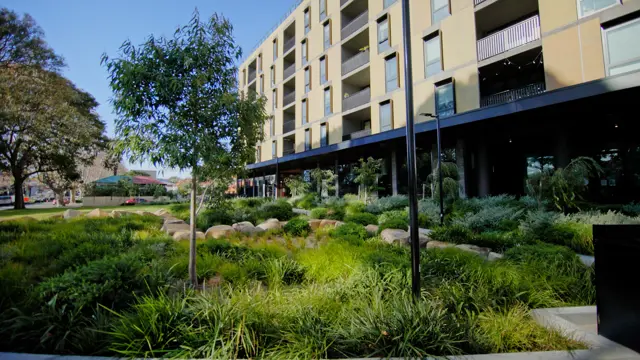
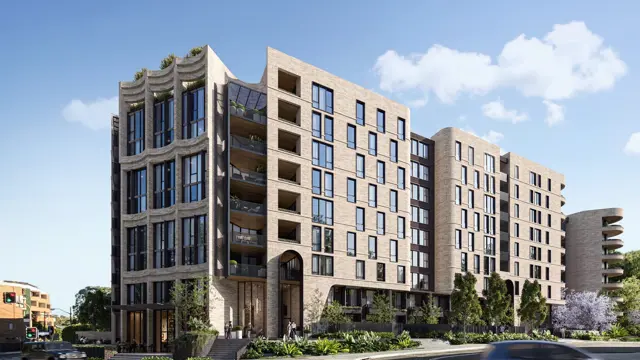
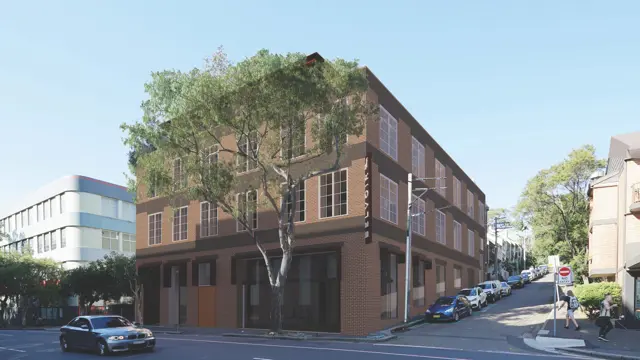
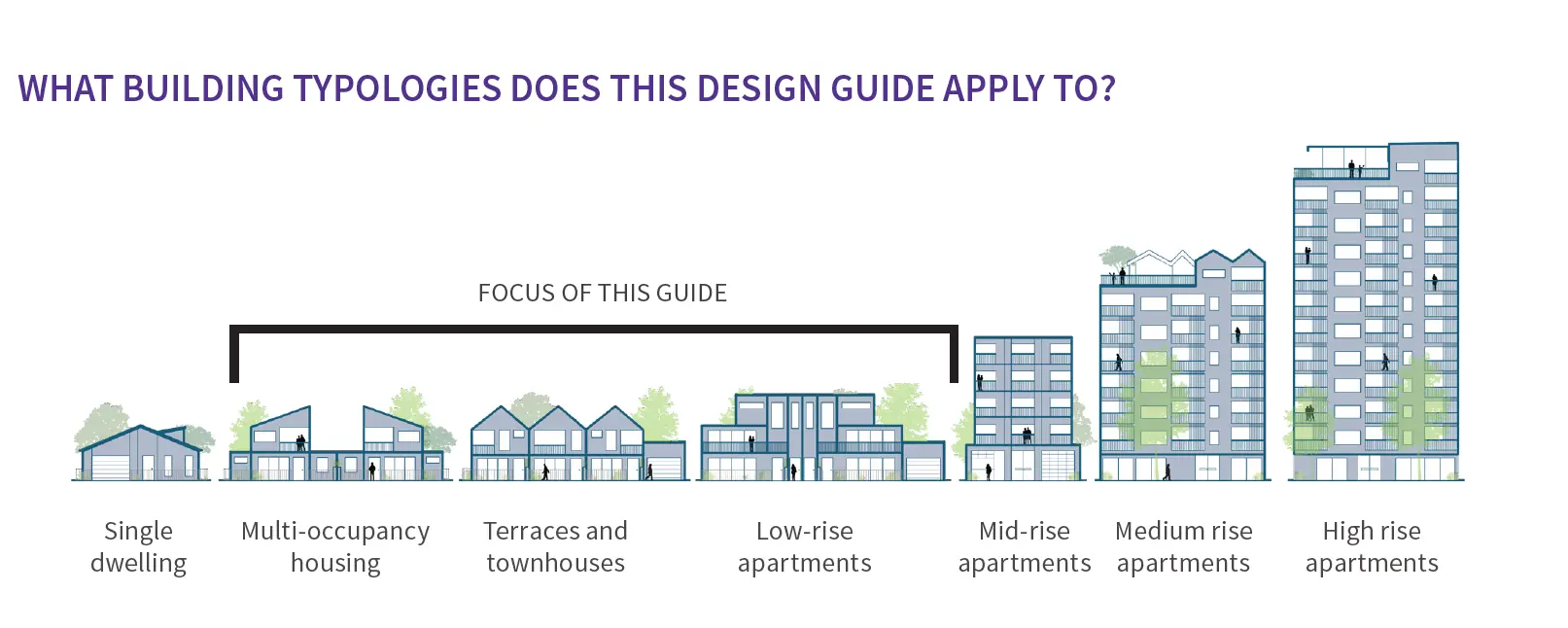
Drawing on Urbis’ experience in higher‑density and infill housing, the guide demonstrates how missing middle typologies – such as duplexes, townhouses and low scale apartments – can deliver high‑quality outcomes at increased densities. It reinforces the idea that well‑designed medium‑density housing can enhance local character, support sustainable transport and contribute positively to established and emerging neighbourhoods across Canberra.
By shifting the focus from prescriptive controls to place‑based design outcomes, the guide encourages more thoughtful, context‑responsive medium‑density housing
Strengthening confidence and consistency
The guide is intended to be a practical tool for applicants, designers, planners and the broader community. It will support development applications, assessment and evaluation by providing a shared understanding of design expectations and quality benchmarks. By combining clarity and flexibility within a consistent framework, the guide supports more transparent decision‑making and helps stakeholders engage confidently in the planning and development process.
Over time, the Missing Middle Housing Design Guide will help improve the quality and consistency of medium-density housing across the ACT, supporting a more diverse, liveable and sustainable city.
The Missing Middle Housing Design guide is part of a broader suite of design guides developed for ACT Government, building on the Urban Design and Housing Design Guide.
Read the full ACT Missing Middle Housing Design Guide here.