The missing middle: Understanding the new mid-rise residential standards
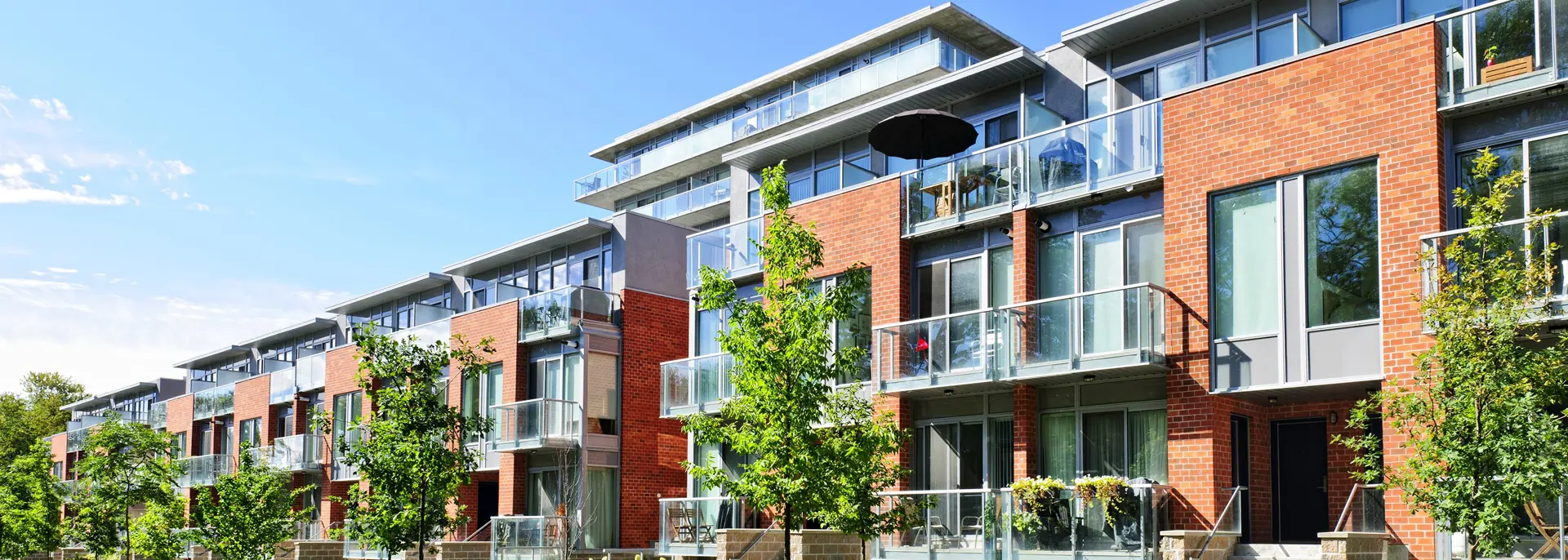
On 19 March 2026, the Victorian Government implemented the new Mid-Rise Code residential standards for buildings between 4-6 storeys, a move designed to make it easier to deliver well-designed homes and provide housing choice in established areas.
The revised Clause 57 builds on the interim Four Storey Apartment Standards and aims to provide greater certainty in the planning process for mid-rise housing. This change signals a more coordinated approach – helping define approvals which have fallen between traditional “Rescode” applications (Clause 55) and the Apartment Design Guidelines (Clause 58). The Mid-Rise Code will be operational from 16 April 2026.
Supporting Design and Code Guidelines have been developed to help interpret and apply the standards, with a Planning Practice Note on its way. Understanding Clause 57 early in the design process will be key to maximising opportunities and leveraging compliance to unlock faster decisions.
Where will it apply?
- Like Clause 55 and Clause 58 the new standards apply in all Residential Zones - with the exception of the Low Density Residential Zone.
- New standards will be most utilised in the Mixed Use Zone, Residential Growth Zone and Housing Choice and Transport Zone around the Government’s designated Activity Centres.
What is the same?
- It is built around “standards” and “objectives” like Clause 55 and supports a “performance based approach” for development to adapt to context.
- Many of the standards will be similar to those already applying in Clause 55 and Clause 58, creating consistency for documentation and assessments.
- Where Overlays apply – such as flood, environmental or heritage overlays - those considerations will remain and may divert VCAT review exemptions.
Where are the “wins” for projects?
The new standards:
- Makes “Deemed to Comply” standards available reducing risk of third-party appeal and providing greater certainty for applicants and decision makers.
- Supports 4.5m Front Setback[s] allowing housing that is more intensely developed and efficient whilst balancing the response to surrounding character.
- Introduces 4.5m Side and Rear Setbacks – a simplified measure which avoids “wedding cake” designs and provides for more meaningful areas for planting. This increases to 6m for south-facing walls.
- Allows 70% Site Coverage – coupled with no minimum garden area in the Housing Choice and Transport Zone, this is a significant change.
- Limits External Amenity considerations to overshadowing of private open space and overlooking, with more flexible standards than the updated Clause 55.
What are the risks?
- Balancing the incentives of using “deemed to comply” against achieving the best contextual response.
- Mid rise feasibility is challenging, but we are optimistic the combined extent of change has opened new opportunities
Urbis is in support of rationalising how housing is assessed across Councils. Having a more consistent approach to residential standards and restricting third party appeal rights for developments (where deemed to comply) will potentially open new opportunities and reduce approval processing timeframes.
The new Standards within Clause 57 will help normalise mid-rise development in areas where people want to live. Along with other reform changes, this will help stretch towards Victoria’s Housing Targets.