Beyond zoning: Five key moves to make WA station precincts succeed


The release of the Draft Station Precinct Improvement Schemes represents an important step in how Perth plans for growth around its rail network.
For Bassendean, Carlisle, Claisebrook, Cottesloe, Glendalough, Morley, Mosman Park, Redcliffe and Swanbourne, the Draft Schemes give greater certainty about where additional housing and activity can occur close to existing public transport, services and established communities.
Importantly, they also recognise that eight stations do not equal eight versions of the same precinct.
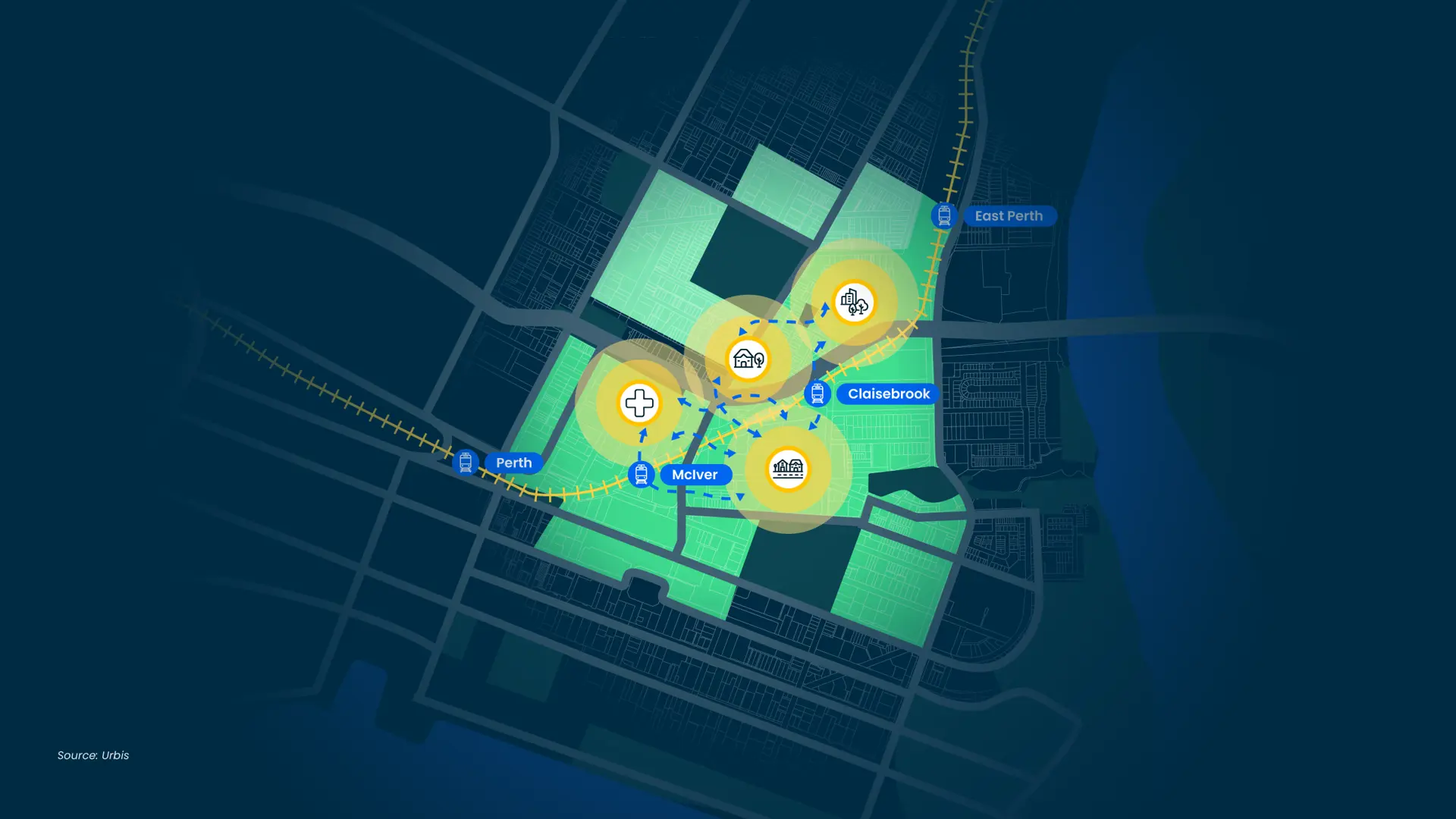
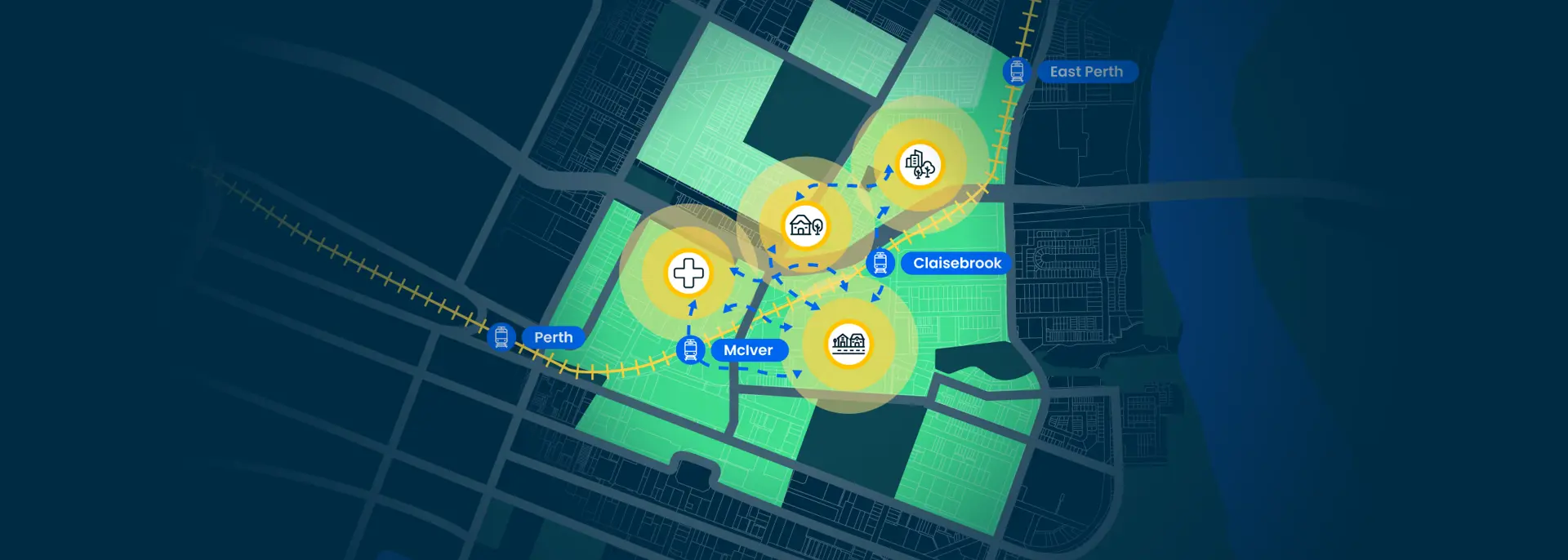
Claisebrook is already part of the inner-city, with the opportunity to strengthen connections between the station, surrounding employment, housing and existing destinations.
Bassendean has an established town centre, strong heritage character and community identity.
Morley has significant new transport infrastructure and an opportunity to build a broader urban precinct around it.
Cottesloe, Swanbourne and Mosman Park have very different character, land values, development economics and community expectations.
Carlisle and Glendalough bring their own challenges around fragmented ownership, movement, existing land uses and transition.
Redcliffe presents a different proposition again, with a new Airport Line station, proximity to Perth Airport and major transport infrastructure, and significant potential for new housing, employment and amenity within an area that is still establishing its precinct identity.
These distinctions matter.
High-performing precincts are intentional and place-specific. Their advantage comes from understanding what a place is for, what makes it different and what combination of housing, activity, amenity and investment will actually make it work and unlock economic, community and place value.
The Draft Schemes provide the statutory foundation. But planning capacity is not the same as housing delivery.
This is particularly relevant in Perth. Increasing density on paper does not resolve fragmented ownership, construction costs, infrastructure requirements, market feasibility or the challenge of coordinating change across established suburbs. Without a stronger focus on delivery, there is a risk that significantly more theoretical housing capacity is created without a corresponding increase in homes on the ground.
The opportunity now is to move quickly from planning for capacity to planning for delivery.
So what needs to happen next? Five moves will be critical.
1. Infrastructure must lead growth
People and capital respond to certainty. Precinct infrastructure must be visible early, not promised after growth arrives.
Higher-density living around Perth’s stations needs more than access to a train. Parks, community facilities, schools, local services, walking and cycling connections, shade and essential utilities all form part of the proposition for people considering a very different housing choice to the traditional suburban home.
Rather than waiting for development to progressively trigger every improvement, each precinct should identify the infrastructure investments that can change confidence early. That might be a new civic space, a strategic open space connection, a community facility, an upgraded street or essential servicing infrastructure.
The question should be: what investment will make development more likely to happen here, sooner?
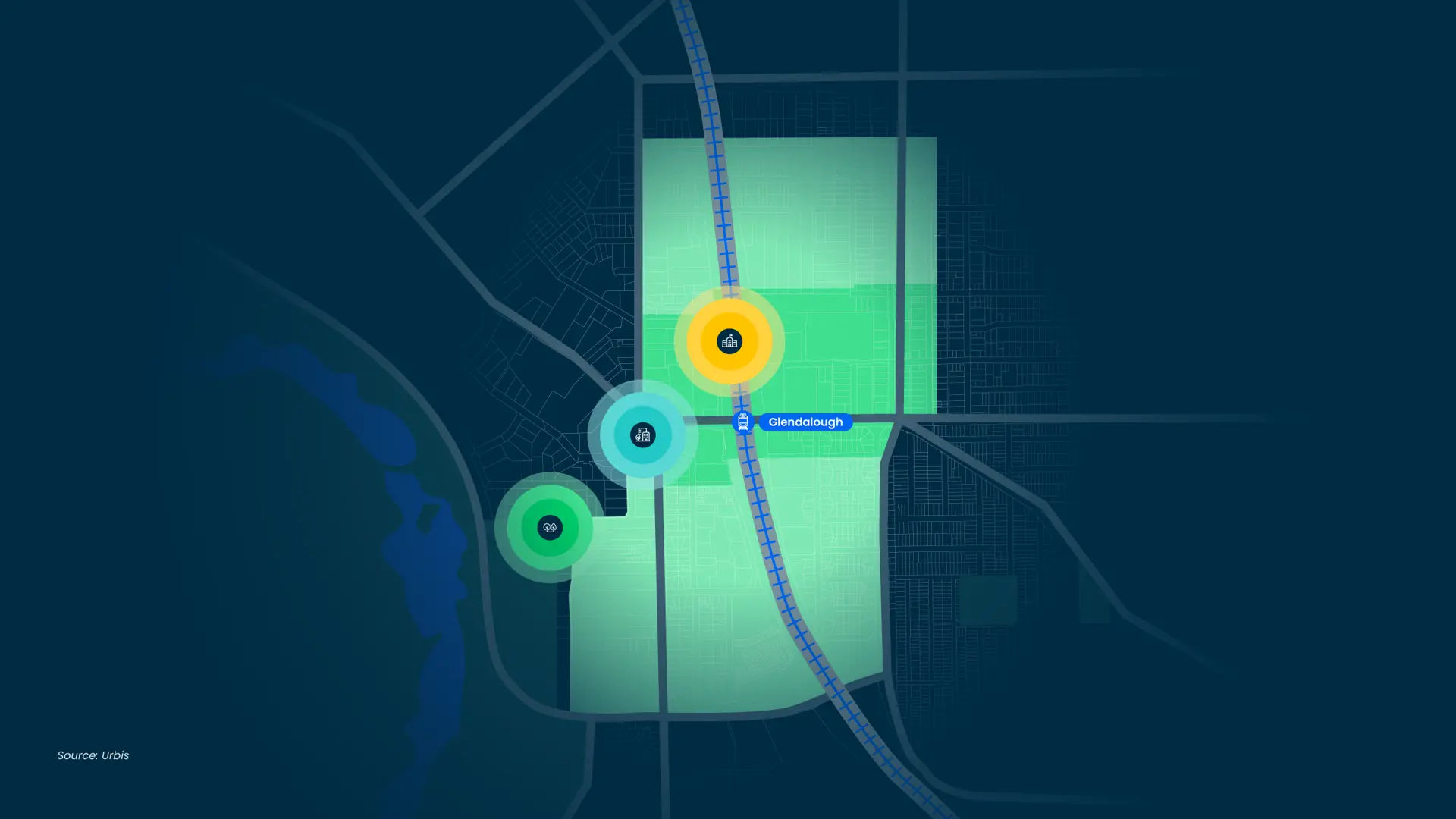
For Glendalough, for example, this means thinking beyond the station itself. Better connections between Herdsman Lake, Osborne Park and the station, together with improved public realm and community infrastructure, could fundamentally strengthen the proposition for new housing.
The opportunity for Western Australia is to connect the Improvement Schemes with clear infrastructure priorities, funding and implementation and staging strategies from the outset to maximise infrastructure outcomes, rather than treating infrastructure delivery as a separate exercise that follows planning reform.
2. Make the first move count
In long-term precinct renewal, the first visible project can do more to build confidence than planning controls alone.
Precinct transformation becomes easier when the market and community can see what the future looks like. That makes the choice of the first major project important.
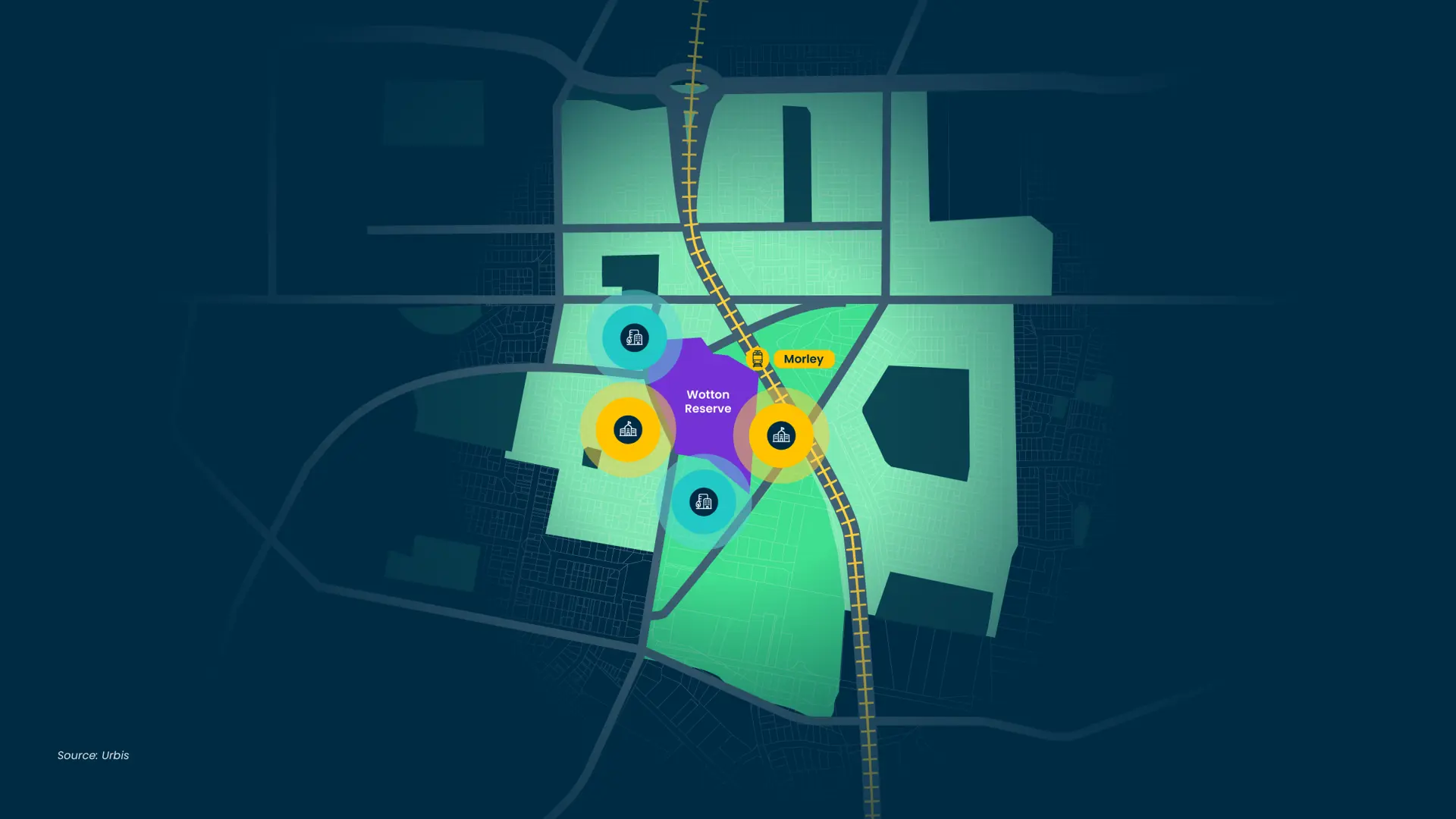
At Morley, for example, the new station provides the transport anchor, but the question is what comes next. A strategically located government site, Wotton Reserve or another significant development opportunity could help demonstrate how a broader mixed-use precinct might evolve around that investment.
The opportunity will be different at every station. At Claisebrook, it may be less about creating a new destination and more about strengthening connections and unlocking mixed-use development around an already highly accessible inner-city location.
Government land can be particularly powerful. Used strategically, it can deliver early housing and liveability, establish a benchmark for design, sustainability and resilience, test different tenure models and give the private sector greater confidence to invest and unlock value around it.
For precincts that may take 10, 20 or more years to substantially change, waiting for momentum to build site by site is unlikely to be enough.
Choose the first move carefully and use it to bring forward the next one.
3. Treat Public Realm as Economic Infrastructure
In Perth, a 10-minute walk on a map is not necessarily a 10-minute walk people will choose to make.
This is where station precinct planning needs to respond much more directly to the Perth context.
Distance from a station is only one measure of accessibility. Shade, tree canopy, safe crossings, weather protection, active frontages, topography and the quality of the pedestrian environment determine whether a short journey is genuinely walkable.
That distinction matters in a city where summer conditions can make an unshaded walk unattractive for significant parts of the year. Public realm therefore cannot be treated as a finishing touch to development. It is part of the infrastructure required to make higher-density living attractive and commercially viable, and to create strong communities and destinations.
The aim should be a continuous network of comfortable, shaded and safe routes connecting the station with shops, schools, parks, employment and other local destinations, rather than isolated pockets of upgraded landscaping.
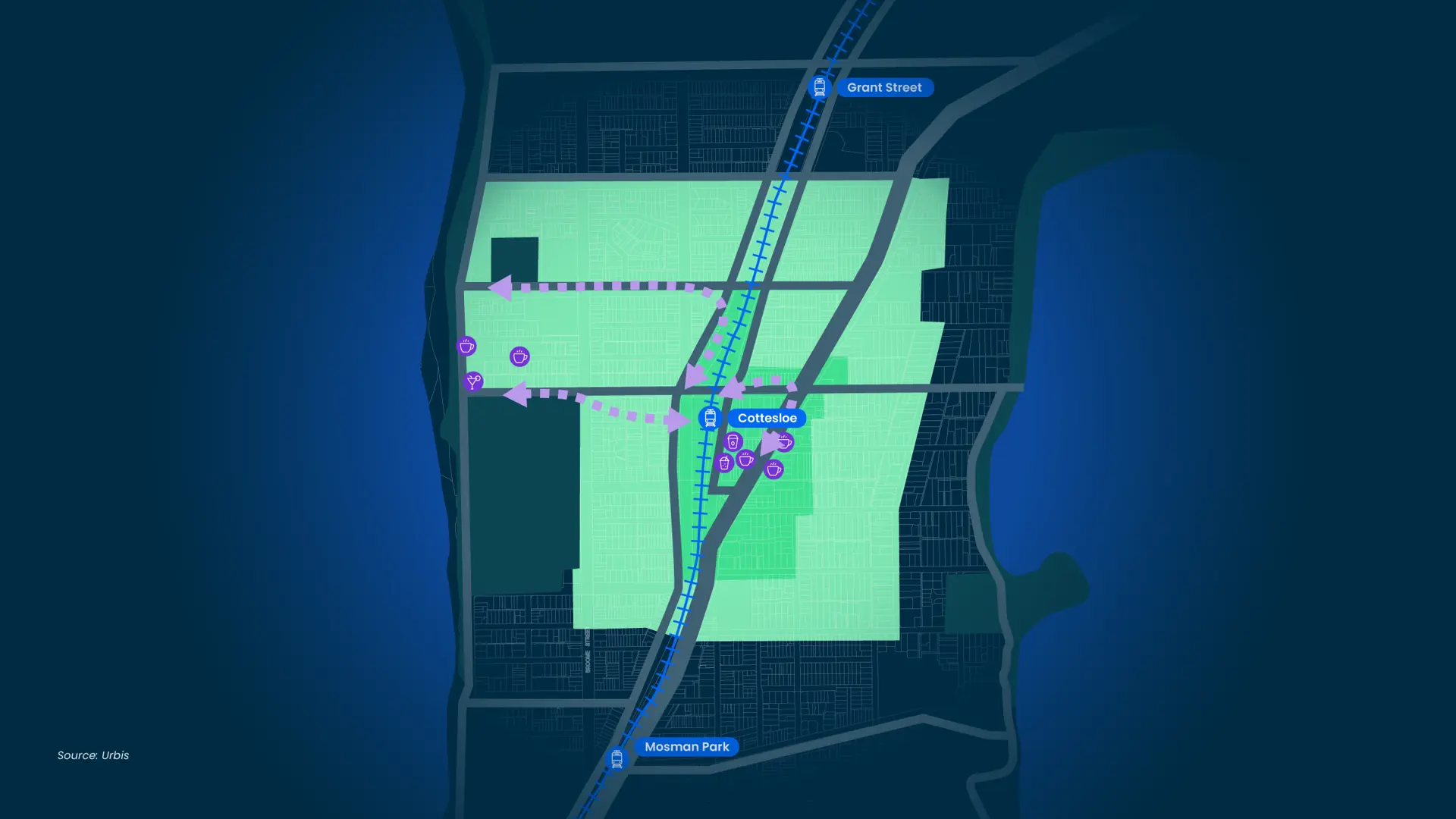
Cottesloe is a good example. The opportunity is not simply to think about land within an 800-metre station radius, but about how people actually move between the station, town centre, surrounding neighbourhood and coast, and whether those journeys are comfortable and intuitive.
4. Plan for Evolution, not Completion
Perth’s station precincts will not redevelop all at once. The planning framework needs to work with that reality, without locking in poor outcomes along the way.
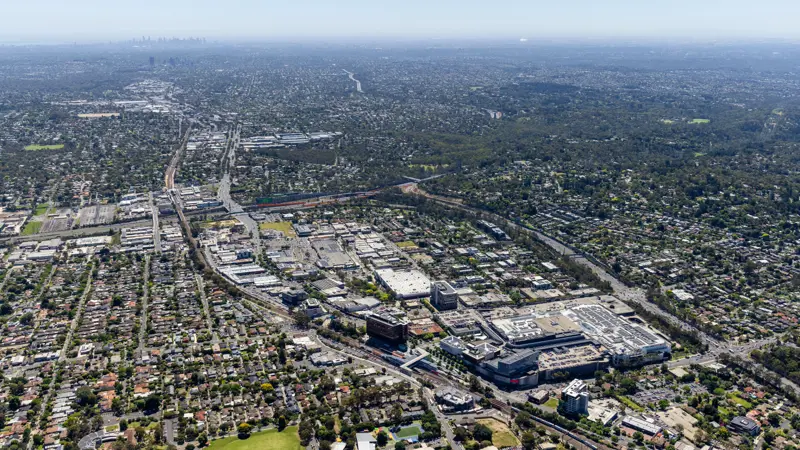
Fragmented land ownership is one of the fundamental delivery challenges across established station precincts.
Individual properties will inevitably redevelop at different times and across different property cycles. But if every site is planned independently, precincts can end up with duplicated access and servicing, compromised pedestrian connections and lost opportunities for coordinated open space or larger development sites. At the same time, wholesale land assembly across established suburbs is neither realistic nor necessarily desirable.
The challenge is therefore to allow development to happen now while protecting the ability to achieve better outcomes later. That could mean identifying where shared access and servicing will ultimately be required, incentivising consolidation in strategic locations, safeguarding future pedestrian links, or ensuring an early development does not sterilise adjoining land.
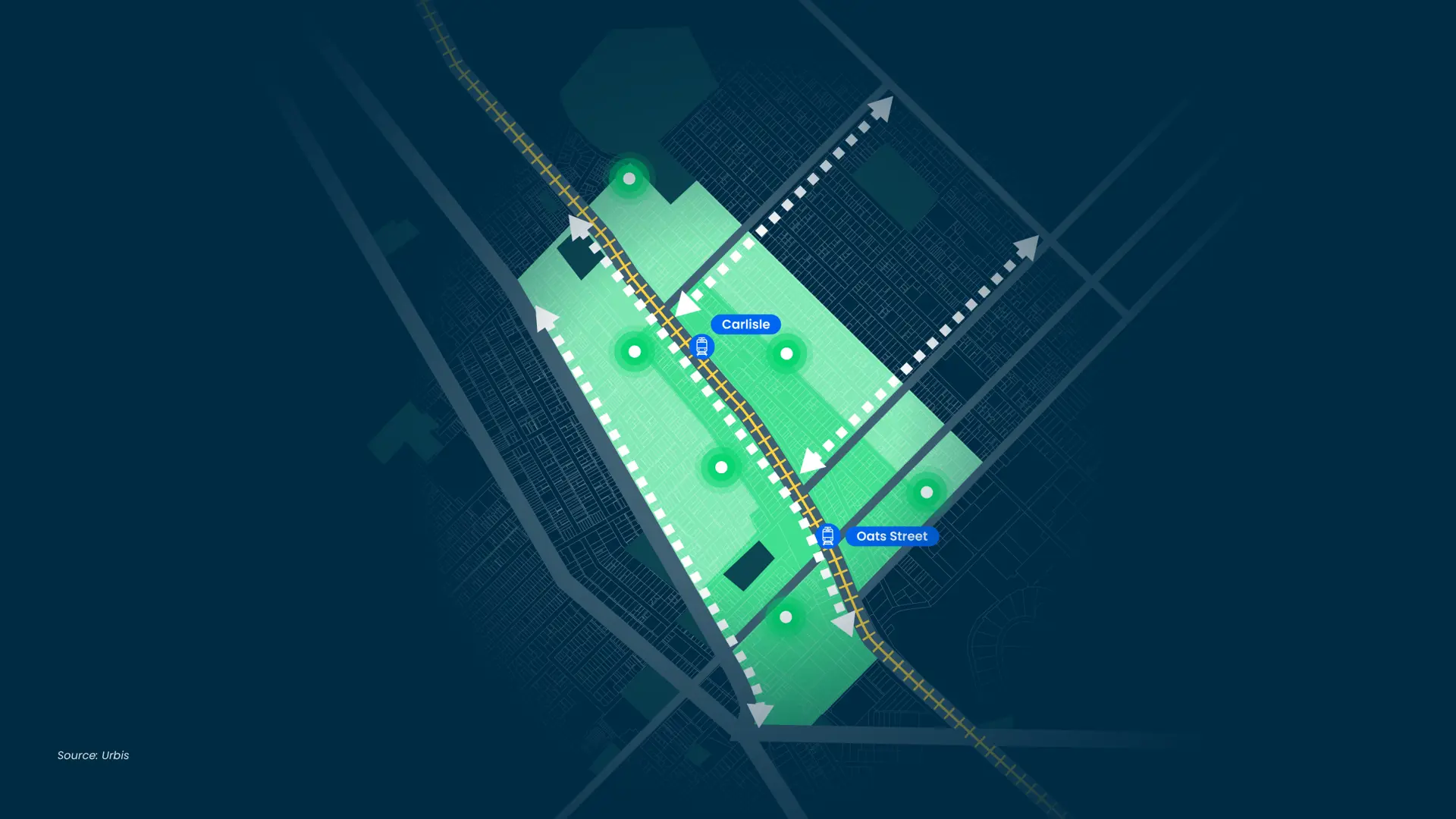
Carlisle / Oats Street is a particularly useful test case because its fragmented lot pattern means change is likely to happen incrementally. The planning framework needs to accommodate that incremental change while keeping sight of the longer-term precinct structure.
5. Use station precincts to broaden Perth's housing offer
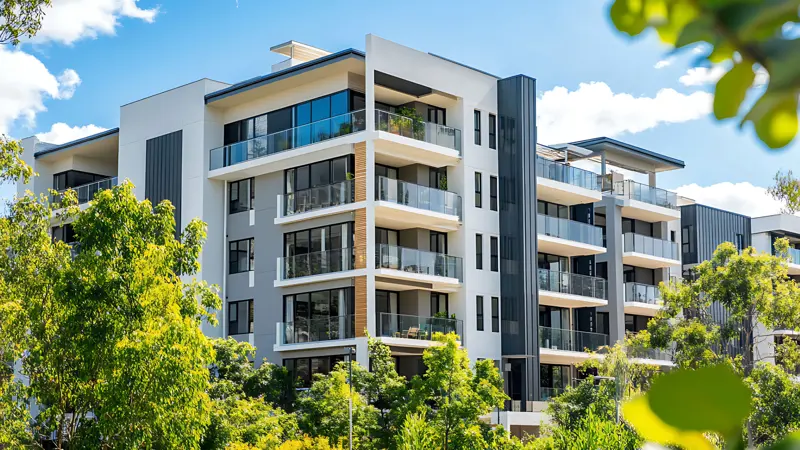
Station precincts provide an opportunity to broaden Perth’s housing offer, not simply increase housing density.
Perth needs more housing, but it also needs greater choice in the types of housing being delivered.
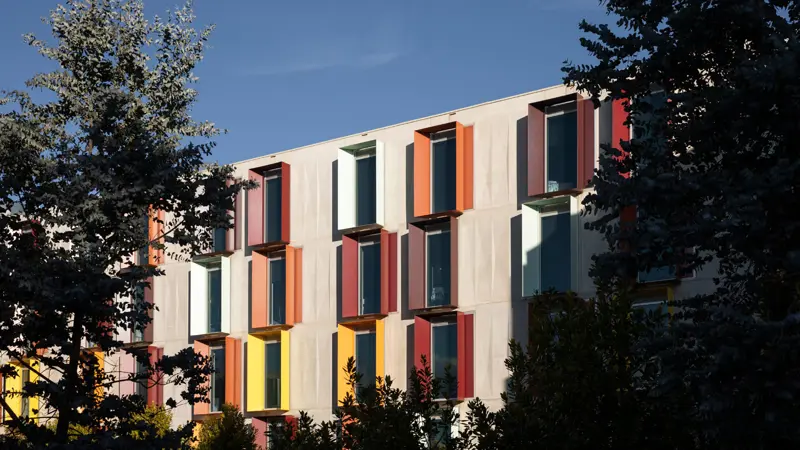
Build-to-Rent, co-living, key-worker housing, seniors housing, affordable, student housing and other models can bring different residents, investors and funding sources into station precincts. They can also help diversify demand beyond the traditional owner-occupier apartment market.
Many of these sectors remain relatively immature in Perth and planning uplift alone may not make them viable.
Station precincts provide an opportunity to be more deliberate: reduced or no parking requirements in genuinely transit-rich locations, flexible built-form settings, targeted planning incentives, strategic use of government land and alignment with broader State housing initiatives.
Not every model will suit every station.
Claisebrook’s inner-city location may support a very different mix from Bassendean or Carlisle. Cottesloe, Mosman Park and Swanbourne will present different market conditions again.
The objective is not to prescribe the same housing mix everywhere. It is to create the conditions for a broader range of housing to be delivered where there is a market and a clear precinct benefit, such as liveability, driving productivity and economic growth.